

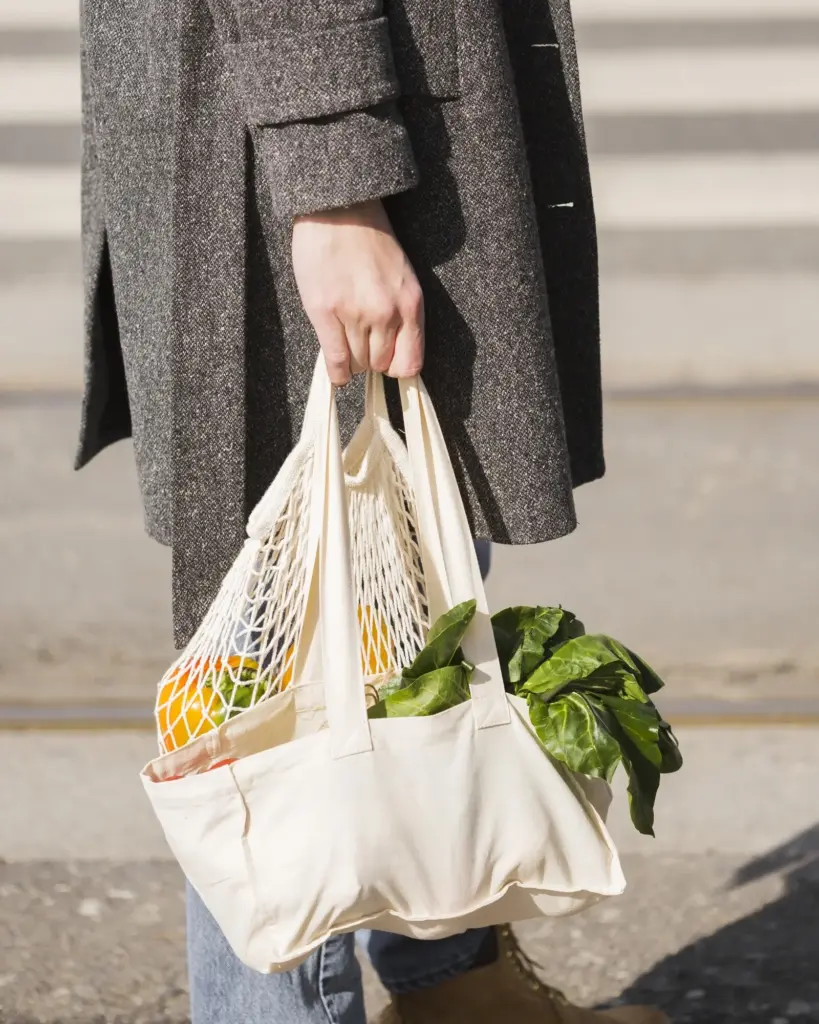

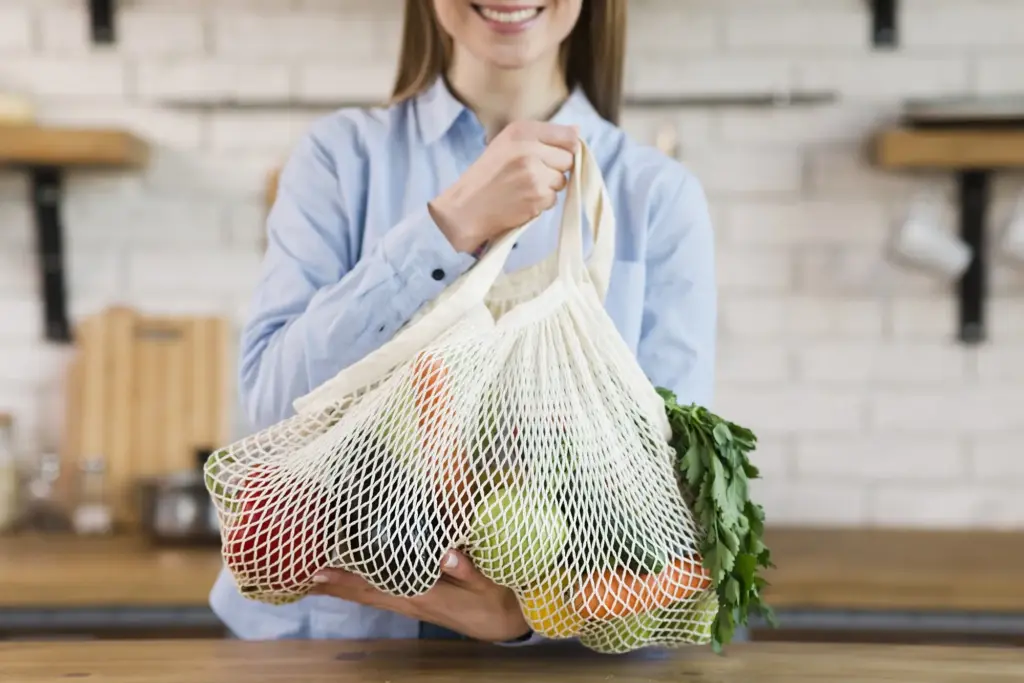

Assign every dollar a purpose before the month begins, then tag each category with one or two of your guiding values. Groceries might reflect health and sustainability, transit might reflect community and stewardship. This overlay reveals mismatches quickly and encourages intentional swaps, like biking instead of rideshares on short trips. Use color coding to visualize impact. Weekly five minute check ins keep you consistent, calm, and proud of where your money rests between paychecks.

Whether you love physical cash envelopes or banking sub accounts, label containers with living priorities, not just expenses. Try names like Joyful Meals, Repair First, Library Adventures, or Neighborly Giving. Funding these buckets feels emotionally satisfying, making consistency more natural. Add a Waiting envelope for unplanned wants; deposit the amount, then revisit after a cooling off period. This playful structure harnesses anticipation, reduces buyer’s remorse, and tracks environmental wins like secondhand purchases and reduced packaging.
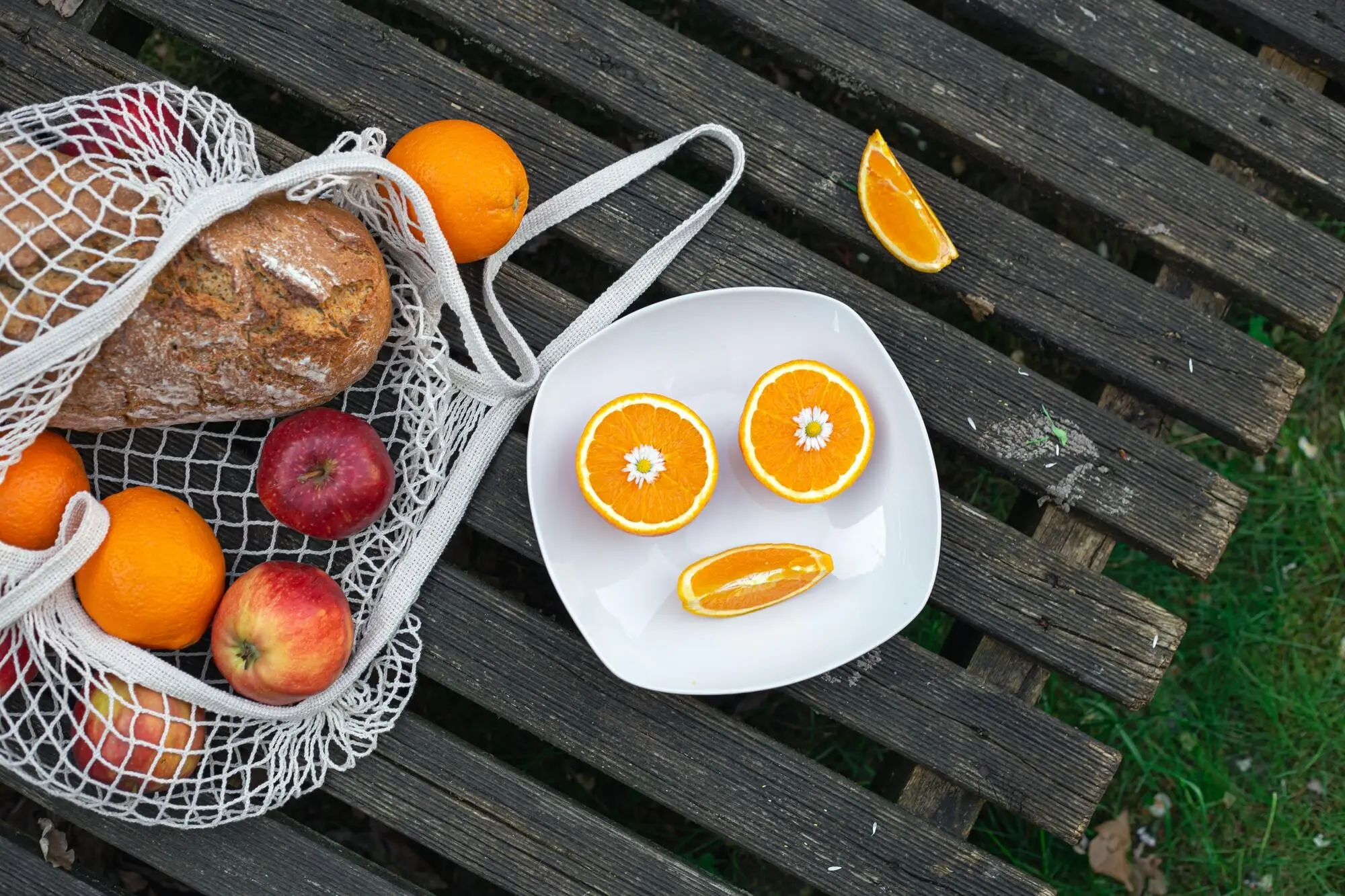
Automate transfers to savings, community giving, and climate friendly upgrades on payday, treating them as rent you pay your future self and the planet. Add small frictions for high emission or low value purchases, like removing stored cards from impulse shopping sites. Pair review habits with daily anchors, such as checking transactions while steeping tea. Tiny cues transform consistency from willpower into rhythm, protecting attention while guiding you gently toward choices that echo your deepest commitments.

Capture non urgent wants on a shared list, add the date, and revisit after thirty days. Meanwhile, borrow, rent, or find alternatives. If the desire persists, estimate how many uses you realistically expect, then divide price by uses to reveal joy per use. This reframes buying as a relationship, not a moment. Many readers report craving subsiding, better fits when purchasing, and surprising creativity sparked by waiting, which saves money while lightening environmental footprints without bitterness.
A low tag can hide high maintenance, energy costs, accessories, or early replacement. List expected lifespan, repair options, resale value, and energy consumption. Look for standardized parts, serviceable designs, and transparent warranties. Consider durable materials and brand repair programs before purchasing. When TCO favors quality, buy once and maintain well; when it favors minimalism, skip altogether or choose shared access. This lens transforms shopping into stewardship, letting money and resources circulate wisely across years, not minutes.
Explore neighborhood buy nothing groups, repair cafes, library tool collections, and vintage shops. Start with fixing what you have; a sharpened blade, resewn seam, or new battery can extend usefulness dramatically. When buying, choose pre loved items to reduce manufacturing footprints and keep value in your community. Share a short note about your find in the comments; your creativity inspires others. Together, we normalize stories where patience, skill, and neighborly exchange become the most satisfying currency.
Start with a fridge shelf review and one pot anchor meals that remix easily. Plan three core dinners and repurpose leftovers into lunches, freeing time and reducing midweek takeout. Shop from a list, embrace flexible recipes, and repeat crowd pleasers. Keep a Use First bin so ingredients do not disappear. Readers often report calmer evenings, lighter bins, and friendlier budgets within weeks. Share your week’s plan below to inspire others and gather fresh, budget friendly ideas.
Trade one or two meat centered meals each week for legumes, tofu, or hearty grains without sacrificing comfort. Build flavor with spices, roasting, and good sauces. Batch cook beans, freeze portions, and celebrate affordable protein that carries a lower footprint and longer shelf life. Redirect savings to farmers market produce or a community garden plot. Over time, taste buds adapt, creativity blooms, and environmental impact drops, turning dinner into a quiet, repeated vote for resilience and wellbeing.
Extend freshness with clear containers, labels, and first in first out habits. Buy shelf stable staples in bulk when unit prices and storage space justify it, then decant into jars that invite use. Transform stale bread into croutons, veggie ends into broth, and overripe fruit into compote. Keep a Friday fridge forage tradition and post your best reinvention idea for the community. Delicious thrift becomes a weekly game that saves money while keeping edible food out of bins.