Smarter Shopping, Lighter Footprint

Today we explore Zero-Waste Grocery Planning with Farmers’ Markets and Bulk Bins, turning everyday shopping into a practical, joyful ritual that cuts trash, saves money, and deepens community ties. Expect step-by-step planning tips, container strategies, seasonal cooking ideas, and stories that make sustainable choices feel effortless and rewarding.

Mapping Your Week the Waste-Less Way
A Five-Day Flexible Menu

Design a five-day plan that favors adaptable dishes like grain bowls, frittatas, and soups, letting seasonal produce and bulk staples lead. Intentionally schedule a leftovers night, invite a friends’ potluck to finish odds and ends, and keep one contingency meal ready for unexpected cravings or late meetings.

Home Inventory Snapshot

Design a five-day plan that favors adaptable dishes like grain bowls, frittatas, and soups, letting seasonal produce and bulk staples lead. Intentionally schedule a leftovers night, invite a friends’ potluck to finish odds and ends, and keep one contingency meal ready for unexpected cravings or late meetings.

Container-First Shopping List

Design a five-day plan that favors adaptable dishes like grain bowls, frittatas, and soups, letting seasonal produce and bulk staples lead. Intentionally schedule a leftovers night, invite a friends’ potluck to finish odds and ends, and keep one contingency meal ready for unexpected cravings or late meetings.

Reading the Market Like a Map

Arrive early, make a scouting lap, and compare stall offerings before buying. Ask growers about varieties, storage tips, and expected yields next week. Prioritize imperfect produce for discounts, and structure meals by what tastes best right now, letting color, texture, and aromatics become your intuitive planning guide.

Cooking Once, Transforming Twice

Roast a generous tray of seasonal vegetables and repurpose throughout the week: folded into omelets, blended into velvety soups, and piled onto grains with a punchy herb sauce. Thinking in building blocks reduces packaging, accelerates dinners, and shrinks food waste by celebrating leftovers as tomorrow’s easy win.

Preserve the Peak Without Plastic

Use glass jars for quick-pickles, vinegar-bright slaws, and fridge-fermented kraut. Freeze berries flat on trays, then decant to containers for smoothies. Dehydrate herbs for winter broths, and oil-pack roasted peppers safely. Small, planned preservation moments stretch seasonal value while keeping your kitchen free from film, wraps, and clamshells.

Seasonality as Your Superpower

Leaning into the rhythms of the seasons unlocks better flavors, lower prices, and naturally reduced packaging. Farmers’ markets showcase what is at its peak, so plan meals around those treasures, then preserve or transform surpluses creatively to stretch abundance into future weeks without relying on disposable containers.

Mastering Bulk Bins Without the Mess

Bulk sections offer freedom from packaging, but technique matters. Bring clean, labeled jars or bags, know tare weights, and choose bins with high turnover to ensure freshness. Practice hygienic scooping, smart portioning, and calm decanting at home to keep counters tidy, budgets focused, and ingredients pristine.

Jar Tare Confidence

Record tare weights with a permanent marker on jar lids, and snap a photo library on your phone for quick reference. At checkout, present containers confidently and request deduction before filling. This habit prevents checkout confusion, speeds lines, and reassures staff that you value accuracy and shared efficiency.

Avoiding Cross-Contamination

Carry a small funnel, wipe, and measuring spoon, keeping allergens separate in clearly labeled containers. Choose bins with dedicated scoops, and avoid spills by filling over a tote. When in doubt, ask staff about turnover rates, cleaning protocols, and best practices for sensitive diets or trace contaminant concerns.

Unit Cost Reality Check
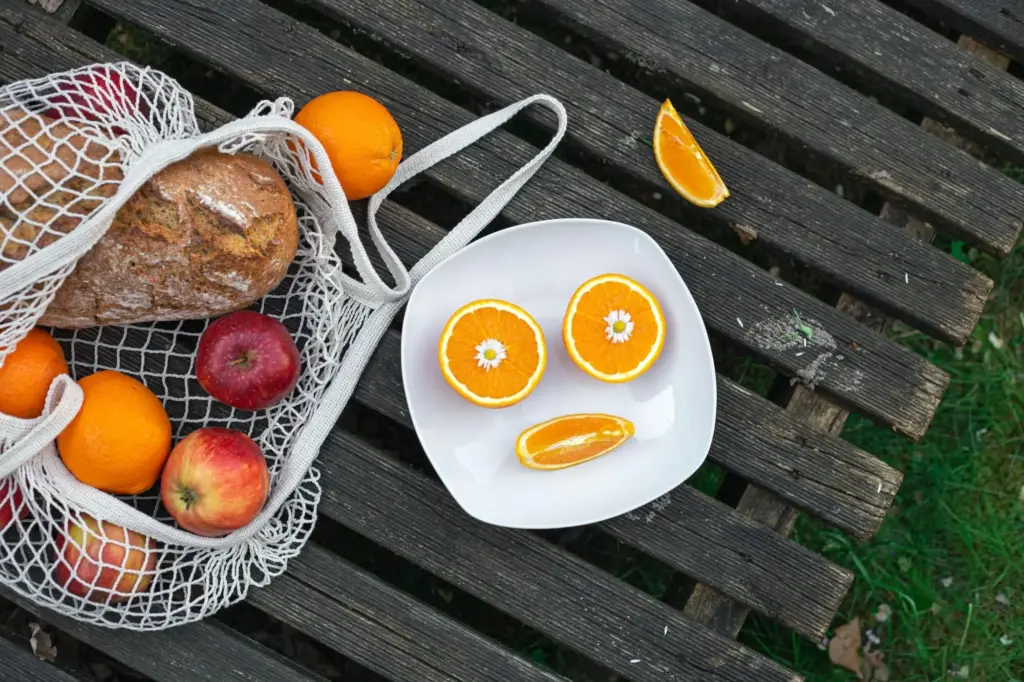
Track prices per ounce or per cup for staples like rice, oats, and beans. When bulk beats prepackaged, stock appropriately in labeled jars. When it doesn’t, buy only what you need. Revisit figures monthly, noticing seasonal dips and promotions that reward curiosity, patience, and deliberate, evidence-based purchasing decisions.

Protein Patterns Without Packaging

Build a rotating rhythm: chickpea curry, lentil shepherd’s pie, black bean tacos, and split-pea soup. Combine legumes with whole grains to complete amino acid profiles, and season boldly. Batch-cook freezer-friendly portions in glass containers, ensuring busy evenings still deliver balanced meals without relying on plastic-heavy convenience foods or takeout.

Two-Hour Sunday Flow

Set a timer and move with purpose: soak beans, roast vegetables, cook a grain, blend a dressing, and wash greens. Store components thoughtfully for easy assembly later. This short ritual turns chaotic weeknights into calm, five-minute dinners that respect both your schedule and your commitment to reducing waste.

Community Connections That Reduce Waste

Relationships make sustainable shopping easier and more joyful. Talk with growers about seconds, bring-your-own-container policies, and storage wisdom. Organize neighborhood share tables for extras, join crop swaps, and start a jar library. When communities collaborate, individual efforts compound, waste shrinks, and delicious possibilities expand for everyone involved.

Storage, Freshness, and Food Safety

Great planning continues after checkout. Handle produce gently, store by humidity needs, and label everything with dates and cooking cues. Learn simple reviving tricks for limp greens and stale bread, and practice safe cooling and reheating. Smart storage keeps ingredients vibrant, appetites happy, and unnecessary waste out of sight.

Crisper Drawer Strategy

Separate high-humidity lovers like leafy greens from low-humidity items such as apples. Use breathable cloth for herbs, and keep ethylene-sensitive produce apart. Place must-use-soon items front and center. A small, predictable system nurtures freshness, reduces forgetfulness, and replaces guilt with calm, proud confidence each time you open drawers.

Hydrating, Venting, and Reviving

Give wilted greens an ice bath, sprinkle stale bread with water before a quick reheat, and vent glass containers to cool grains safely. These low-effort rituals rescue meals, protect texture, and multiply options, ensuring that small hiccups never spiral into food waste or disappointing, last-minute takeout decisions.
Lentomirazento
Privacy Overview

This website uses cookies so that we can provide you with the best user experience possible. Cookie information is stored in your browser and performs functions such as recognising you when you return to our website and helping our team to understand which sections of the website you find most interesting and useful.